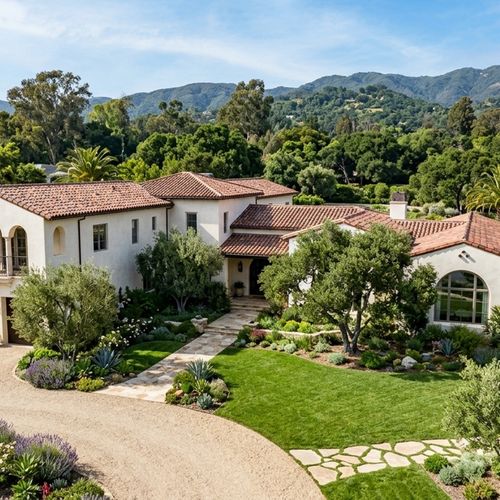
The median sale price for a home in the Montecito, CA housing market sits around $5,700,000. At that price point, association dues aren't an afterthought - they're a real line item in your monthly carrying costs, and you need to understand them before you make an offer.
Homes here tend to sit on the market for roughly 89 days, which gives you time to request and actually read the community financials. Do it. What's in those documents will tell you more about a neighborhood than the listing photos ever will.
Typical HOA Costs in Montecito
Across California, average association dues run somewhere between $300 and $400 per month, with the state median landing around $278 to $300. Santa Barbara County comes in a little higher, at approximately $389 per month.
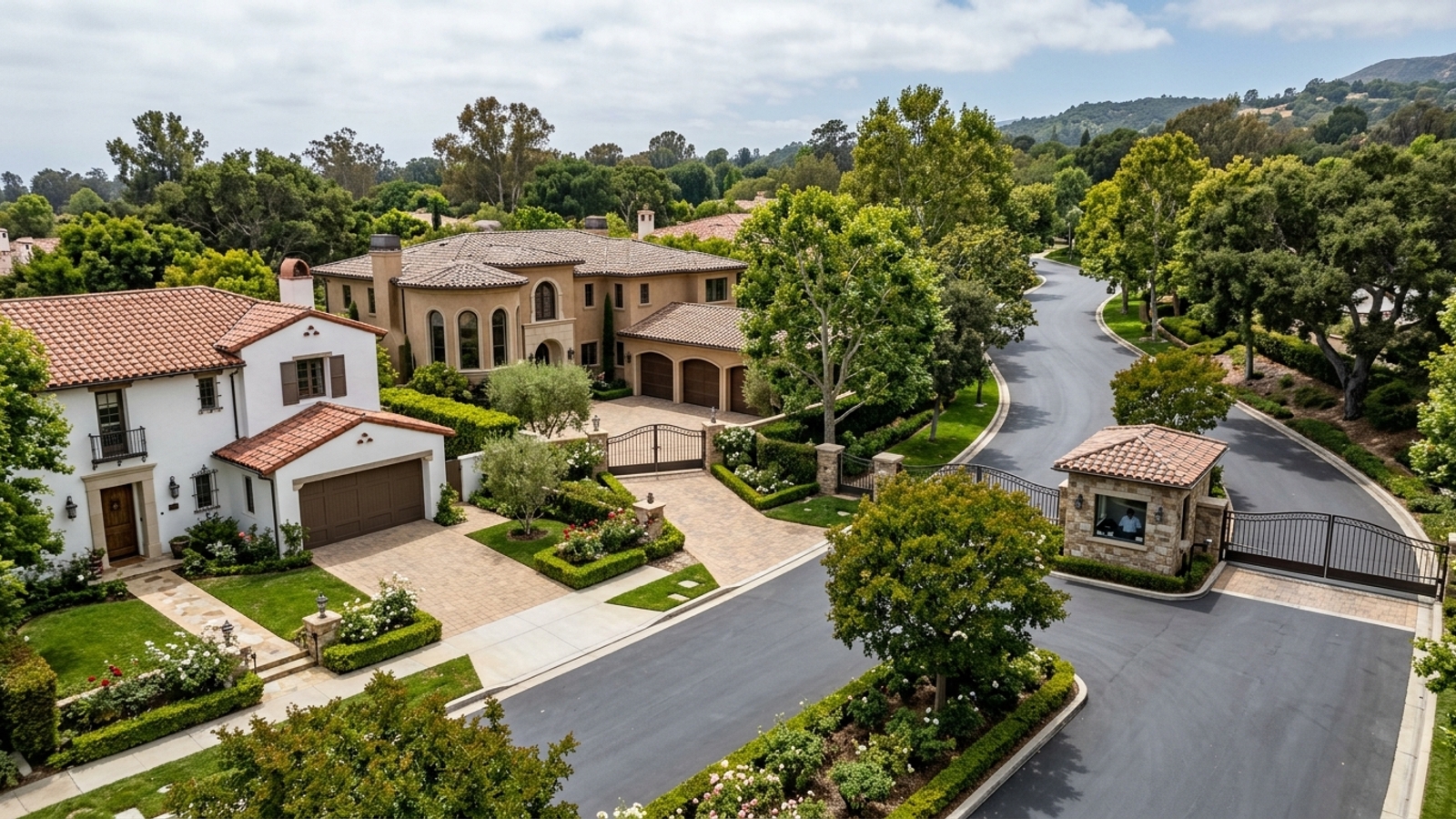
Montecito is a different conversation. Properties here routinely belong to communities with extensive private infrastructure - private roads, staffed gates, manicured grounds that require serious budgets to sustain. Monthly dues frequently exceed $1,000, and that's not unusual for this market.
What Drives Costs Higher or Lower
Shared amenities are the biggest driver. Manned security gates, private road networks, and communal landscaping all require ongoing vendor contracts and operational budgets that add up fast.
The type of home matters too. Condominium associations typically charge more than single-family neighborhoods because they're also responsible for exterior building envelopes and shared roofs - costs that a standalone-home HOA never has to touch.
Billing Frequency and Payment Schedules
Most associations in the 93108 ZIP code bill on a monthly basis. That rhythm helps property management companies keep consistent cash flow for vendor payments.
Single-family neighborhoods with fewer shared amenities sometimes go quarterly or annual. Either way, you want to confirm the specific payment calendar during escrow - not after closing.
How Dues Work Locally
Payments typically run through a third-party property management portal or direct bank transfer. The management company collects the funds and distributes them according to the board's approved budget.
Late payments carry penalties or interest charges. Set up automated payments. It's a small thing, but falling behind on dues in a high-end association creates headaches that are entirely avoidable.
What Your Association Dues Cover
Every payment is split two ways: a portion goes into the operating fund to cover day-to-day expenses, and the rest is deposited into a reserve account for long-term repairs and replacements.
California law requires associations to conduct regular reserve studies to make sure they're saving enough for future capital projects. A well-funded reserve means you're not blindsided by a large out-of-pocket bill when the community needs a new roof or a road repaved.
Common Services and Exclusions
In Montecito, dues commonly pay for private road maintenance, gate upkeep, communal landscaping, and neighborhood security patrols. Some associations fold in basic utilities - trash collection, water - as well.
What they don't cover: your property taxes, your personal homeowners insurance, or anything inside your own four walls. Single-family homeowners remain responsible for their own roofs, exterior paint, and private yard care unless the governing documents say otherwise. Always check the documents.
How to Tell if a Monthly Fee is Too High
The number alone doesn't tell you much. A $1,200 monthly charge makes sense if it covers a 24-hour guarded gate, private club access, and extensive road maintenance. That same fee is hard to justify in a small subdivision with no gate and a couple of shared garden beds. Pull the annual budget and see exactly where the money goes.
Red Flags to Watch For
High fees paired with visible deferred maintenance is the clearest warning sign. Potholes on private roads or a broken entry gate tells you the money isn't being managed well.
A severely underfunded reserve account is just as serious. If the community hasn't saved enough for major repairs, the board will eventually have to raise dues or hit every homeowner with a lump-sum charge to cover the gap.
Additional Transaction and Initiation Costs
Expect one-time association charges at closing. Transfer fees compensate the management company for updating ownership records and issuing new community access credentials.
Some luxury developments also require a capital contribution or initiation fee when a new owner buys in - a non-refundable lump sum deposited directly into the community's reserve fund. It's disclosed in the documents, but buyers sometimes miss it until they're deep in escrow.
Special Assessments
A special assessment is an extra charge levied on homeowners when the reserve account can't cover an unexpected expense. It's separate from your regular monthly dues and typically comes as a lump sum or installment payments spread over a few years.
Before you close, review the past board meeting minutes. If an assessment is being discussed, you need to know about it before you're the one paying it.
Frequently Asked Questions
How much are typical monthly HOA fees in Montecito's gated communities?
They often exceed $1,000 per month. The Santa Barbara County median is about $389, but Montecito's luxury gated neighborhoods charge more to maintain private roads and premium security infrastructure.
What amenities and services do Montecito HOA dues cover?
Typically private road maintenance, entry gate upkeep, communal landscaping, and sometimes security patrols. A portion of the fee also funds the reserve account for long-term repairs.
Are there luxury neighborhoods in Montecito, CA that do not have an HOA?
Yes. Many standalone luxury estates in Montecito operate independently and aren't part of any formal homeowners association.
Do Montecito HOA fees typically include wildfire insurance for the property?
No. Single-family homeowners must secure their own private insurance policies for their individual structures. Association policies only cover shared common areas and community-owned facilities.
How strict are Montecito HOA architectural boards if I want to remodel my home?
It depends on the community's governing documents. Most associations require homeowners to submit exterior remodel plans to an architectural review committee for approval before construction begins.
How common are HOA special assessments for private road repairs in Montecito?
They happen whenever a community's reserve fund can't cover the cost of repaving. If an association hasn't saved enough for scheduled road maintenance, the board will issue a special assessment to make up the difference.
Check out this article next