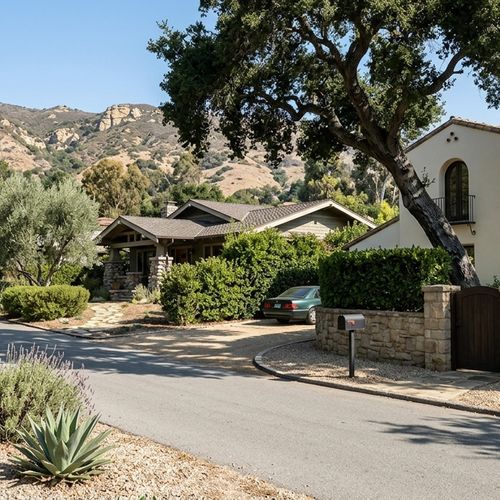
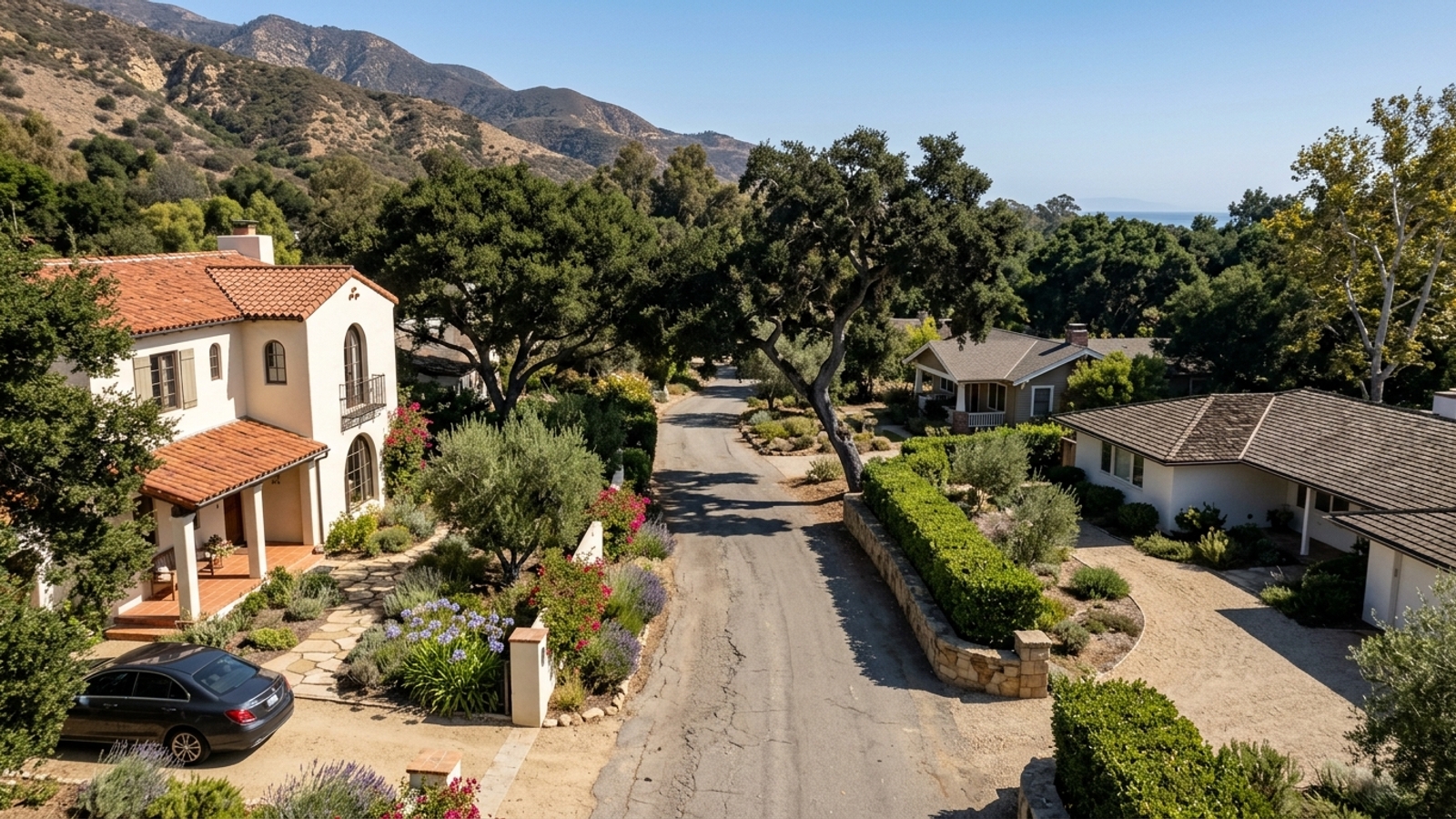
The median sale price for a home in Montecito, CA recently reached approximately $7 million. At that price point, the buyer pool is smaller than in a typical market, and timelines stretch accordingly. This isn't a place where you list on a Tuesday and field three offers by the weekend.
Montecito is currently carrying about 6.6 months of housing supply - a balanced market with roughly 73 available homes. Buyers have options, and they use them. They take their time. If you're planning to sell, the single most useful thing you can do is go in with realistic expectations about how long this process takes.
How Long It Takes to Sell a Montecito Home
The median days on market for a Montecito property is around 59 days - that's the time from listing to going under contract. But depending on which reporting method you're looking at, that number shifts. Some 2026 reports peg the median closer to 89 days, and Redfin's rolling three-month data for the 93108 zip code shows homes taking roughly 125 days to go pending.
None of those numbers are wrong. They're measuring slightly different things. What they're all telling you is the same thing: plan for two to four months of active marketing before you secure a buyer. Homes priced accurately from day one move faster; homes testing the upper ceiling of what the market will bear tend to sit.
Comparing 93108 to Santa Barbara County Averages
The broader Santa Barbara County market moves faster than Montecito. As of August 2026, single-family homes across the county averaged about 58 days on market. July 2026 was even quicker - county-wide single-family homes sold in roughly 40 days, condos in 25.
Montecito's higher price points naturally extend its average time on market compared to the county median. Buyers evaluating multimillion-dollar estates conduct extensive due diligence, and the financing picture - whether that means complex asset liquidation or coordinating a large cash purchase - takes time to sort out.
Breaking Down the Home Selling Timeline
The days-on-market figure only captures one slice of the full picture. The total time to sell extends well beyond however long your listing sits active on the MLS. You've got preparation before the listing goes live, the marketing period itself, and then escrow. Each phase adds weeks.
From start to finish, a successful transaction in Montecito typically takes three to six months. Rushing the preparation phase is one of the more reliable ways to add time on market later - a home that doesn't show well stays on market longer.
Preparing and Listing the Property
Getting ready usually takes two to four weeks. That window covers minor repairs, decluttering, professional staging, and high-quality photography. Large estates may need additional time - a landscaping overhaul or a specialized marketing video isn't something you throw together in an afternoon.
Showing the Home and Accepting an Offer
Once you're live, the active marketing phase begins. Based on recent 2026 data, expect this stretch to run anywhere from 59 to 125 days before you accept an offer. Keep the home ready for private showings and open houses throughout - at this price point, serious buyers don't give a second chance to a home that felt neglected on their first visit.
Escrow and Closing
After both parties sign the purchase agreement, you're in escrow. A standard closing takes 30 to 45 days - enough time for inspections, appraisals, and loan underwriting. Cash transactions, which are common in Montecito, can close much faster, sometimes in as little as 10 to 14 days.
Factors That Speed Up or Slow Down a Sale
Pricing is the strongest lever you have. Homes in Montecito recently sold for an average of 98.5% of their list price, and roughly 12% sold above asking. When a home is priced in line with recent comparable sales, qualified buyers show up faster.
Condition matters just as much. Buyers at the $7 million price point generally want turnkey. An outdated layout or an aging roof will generate less immediate interest than a fully renovated estate - that's just reality at this tier. Deferred maintenance doesn't disappear from a buyer's mind; it shows up as a lower offer or no offer at all.
Local Supply and Demand
With 6.6 months of supply and around 73 homes on the market, Montecito buyers aren't feeling rushed. When inventory is this ample, they can afford to wait for the right property. That said, specific property types - a single-story home with ocean views, for example - may experience stronger demand and sell faster than the local average.
Making Price Adjustments
If showings are thin and feedback is quiet, the list price is probably too high. The first few weeks of showing activity tell you a lot. A well-timed price reduction can bring in a fresh wave of interest; a listing that drags on for months before any adjustment tends to attract lower eventual bids. The market has a long memory.
Seasonal Timing for California Sellers
Real estate activity in California follows predictable seasonal patterns, and your timing relative to those patterns will affect both how quickly your home sells and what it sells for. Montecito's mild weather doesn't make it immune to these shifts - buyer behavior here tracks with the broader state trends.
The spring and summer months see the most activity. The end of the year slows down reliably.
The Strongest Months to List
May is widely recognized as the best month to sell a house in California for maximizing price and buyer demand - buyers are actively looking to close and move before the new school year starts. If speed matters more to you than price, April is generally considered the best month, with the lowest average days on market.
Slower Months to Avoid
January is consistently the hardest month to sell a house in California. Post-holiday buyer fatigue drags on demand and pushes days on market higher. December and February are historically weak as well - not impossible months to list, just ones where you're working against the current.
Determining When a Listing Is Stale
A property is generally considered stale when its days on market exceed the local average without generating offers. In Montecito, if a home approaches the 125-day mark with no serious interest, something needs to change. Buyers notice how long a home has been sitting - and they draw conclusions, usually unflattering ones.
When a listing stalls, go back to the comparable sales and the showing feedback. The problem almost always comes down to price, condition, or both.
Adjusting Strategy and Pricing
If you're hearing repeatedly that the home needs too much work for what you're asking, the price has to move. And when it moves, it should move enough to land the listing in a new search bracket online - small, incremental drops rarely generate meaningful new interest. A reduction that doesn't change the buyer pool doesn't help you.
Selling As-Is to a Cash Buyer
If major repairs are needed and funding them isn't realistic, selling as-is to a cash buyer is a legitimate path. It bypasses the traditional listing process, staging, and buyer financing contingencies. You'll almost certainly net less on the final sale price, but the timeline compresses.
Timing Your Sale to Manage Capital Gains
Selling a property quickly can trigger capital gains taxes on any profit from the sale, so homeowners who've owned for a short time need to think this through before listing. Federal tax rules offer specific exemptions for primary residences, but they're tied to how long you've owned and lived in the home.
Individual situations vary enough that consulting a tax professional is always the right move. The standard guidelines are a reasonable starting point, though.
The Two-Year Ownership Rule
To claim the full capital gains exclusion on a primary residence, you need to have owned and lived in the home for at least two out of the five years preceding the sale. Single filers can exclude up to $250,000 of profit; married couples filing jointly can exclude up to $500,000. Sell before hitting that two-year mark and the profit may be taxed at standard capital gains rates.
Special Cases and Exemptions
Certain life events allow sellers to claim a partial exclusion even without meeting the two-year requirement - a change in employment location, health issues, or unforeseen circumstances like a divorce or natural disaster all qualify. Executors selling an inherited property follow different rules entirely, since the home's value is typically reassessed upon the original owner's death.
Estimating Your Net Proceeds
The gross sale price is not the number you take to the bank. To get to your actual payout, you subtract all transaction costs from the final purchase price - and then your remaining mortgage balance on top of that.
Montecito sellers recently saw an average sale-to-list ratio of about 98.5%, so most homes are closing very close to asking. But common deductions - agent commissions, escrow fees, title insurance, local transfer taxes - add up quickly at this price tier.
A Worked Example for a Montecito Sale
Take a home that sells for the current approximate median of $7,000,000. If total transaction costs, including commissions and closing fees, come to 6% of the sale price, that's $420,000 out the door. Subtract that from the sale price and you're at $6,580,000.
Then the mortgage comes off the top. If you owe $2,000,000 on the loan, your final net proceeds land at roughly $4,580,000. These numbers shift based on negotiated commission rates and specific local fees - before you list, ask your agent for a detailed net sheet so you're not doing the math in your head at closing.
Frequently Asked Questions
How long does it take to sell a house in Montecito, California?
Recent MLS data shows a median of roughly 59 days on market for Montecito homes. However, rolling three-month averages indicate properties can take up to 125 days to go pending. The exact timeline depends on the home's price tier and condition.
How long is too long for a house to be on the market in Montecito?
A listing is generally considered stale if it sits active well beyond the 125-day mark without an offer. When a property lingers past this local average, buyers often assume it is overpriced or has underlying issues. Sellers should review their pricing strategy if they reach this point.
What is the hardest month to sell a house in the Montecito area?
January is consistently the most difficult month to sell a home in California. Buyer demand drops following the holidays, leading to longer days on market. December and February also see slower transaction volumes compared to the spring and summer months.
How long should a house sit before you reduce the asking price?
If a home generates no offers or serious interest after the first few weeks of showings, a price adjustment is likely necessary. Waiting months to reduce the price often results in a stale listing. Sellers should respond to initial market feedback quickly to maintain momentum.
How long after buying a house can you sell it and avoid capital gains?
You must own and live in the home as your primary residence for at least two of the five years before the sale to claim the full capital gains exclusion. Selling before the two-year mark means any profit may be subject to capital gains taxes. Certain exemptions exist for job relocations or health emergencies.
How much do you make when you sell your house in Montecito after fees?
Your final payout is the purchase price minus transaction costs and your remaining mortgage balance. With Montecito homes selling for a median of about $7 million, subtracting a standard 6% in closing costs and commissions leaves $6.58 million before paying off the loan. Your exact proceeds will depend on your specific mortgage payoff and negotiated fees.
Check out this article next