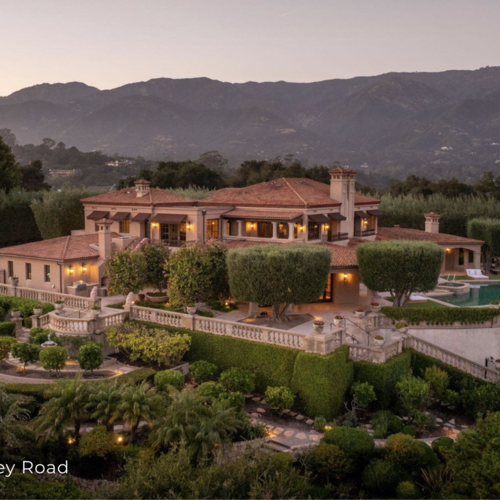
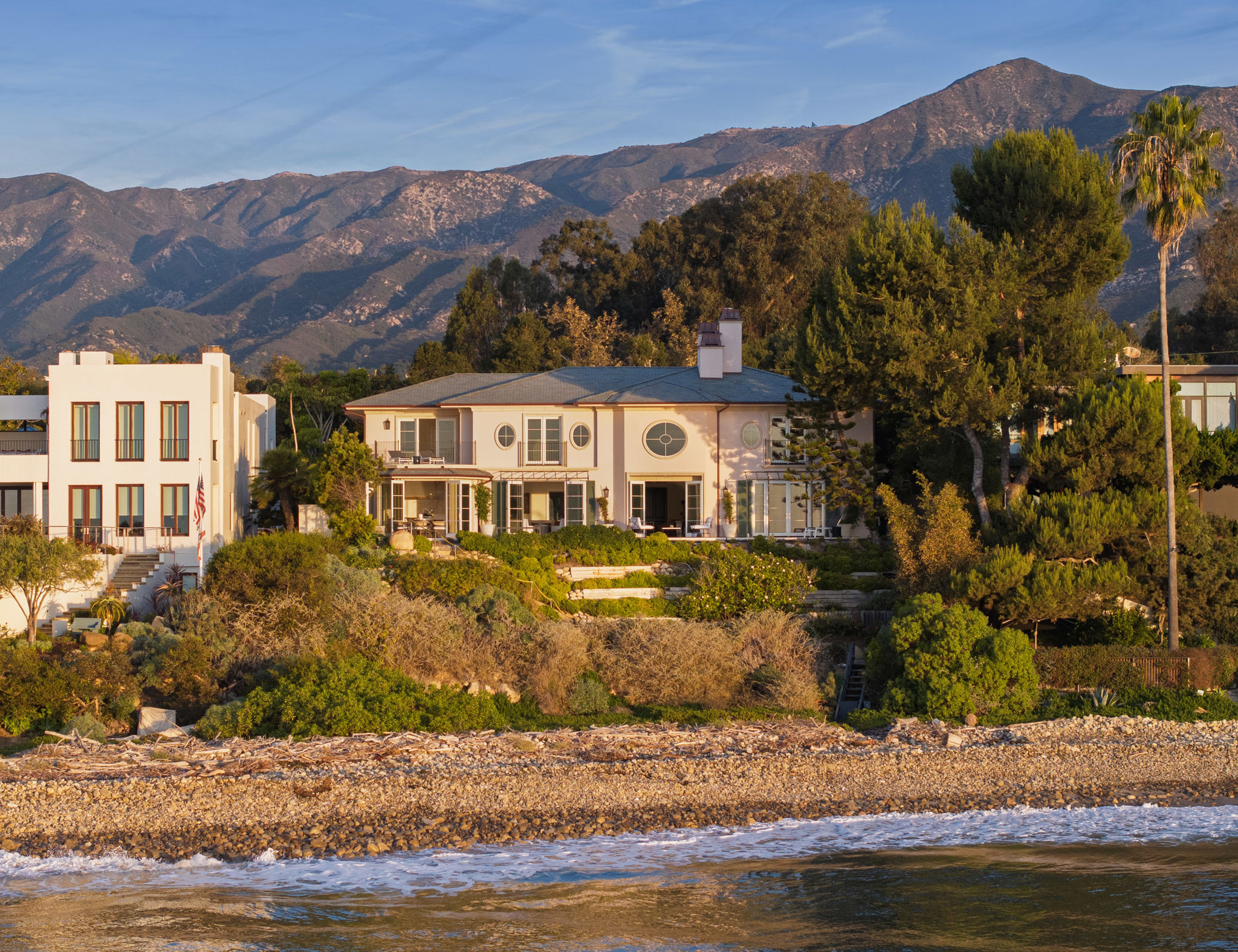
Montecito, CA sits on the coastline of Santa Barbara County - large private estates, direct Pacific access, and a real estate market with one of the highest barriers to entry you'll find anywhere in the country. Strict zoning and mature landscaping define the streetscape, and the buyer pool here is about as specific as the price points. For anyone seeking the ultimate guide for Montecito, CA, understanding these local dynamics is the first step.
If you're seriously considering moving to Montecito, you need a clear-eyed look at what daily life actually costs, how long your commute will run, and what the numbers say about the community. That's what this guide covers.
Location and Santa Barbara Commute Times
Montecito is an unincorporated community in Santa Barbara County, sitting immediately east of the city of Santa Barbara. It occupies a narrow strip of land wedged between the Santa Ynez Mountains and the Pacific Ocean - which tells you almost everything about why the land commands the prices it does.
Car to downtown Santa Barbara is about eight to nine minutes without traffic. The distance runs roughly five miles, and most people take US-101 to keep it quick.
Highway 101 and Local Transit
Most residents drive when getting around Montecito. That said, the Santa Barbara Metropolitan Transit District (MTD) does serve the area and connects into the broader Santa Barbara Metro region if you'd rather not deal with parking.
The MTD Line 14 bus into Santa Barbara takes anywhere from 24 to 44 minutes, depending on where you're starting and whether you need to transfer. It's not a fast option, but it exists.
Housing Costs and Everyday Expenses
The median sale price here has reached approximately $6,995,371, with homes sitting on market for roughly 59 days. Sellers are getting an average of 98.46% of list price, and about 12% of homes sell above asking. Inventory is tight - around 73 homes available and 6.6 months of supply. At these price points, housing isn't just the largest line item in the cost of living in Montecito - it's practically the only one worth talking about first.
Daily expenses beyond housing carry a premium too, though the exact number depends heavily on which index you consult.
Regional Cost of Living Indices
AreaVibes and HomeSnacks put the local cost of living index somewhere between 330 and 338, against a national average of 100. BestPlaces uses a different methodology and lands at 154.7 - suggesting costs run about 55% above the national average. uscostofliving.com cites 310. None of these agree precisely, but they all point the same direction: everything here costs more.
Crime Rates and Local Security
CrimeGrade data puts Montecito's overall crime rate at 36.21 incidents per 1,000 residents, which lands the area in the 22nd percentile nationally for safety. Breaking that down: a violent crime rate of 4.738 per 1,000 residents and a property crime rate of 27.33 per 1,000 residents.
Worth knowing those aren't the only numbers out there.
Alternative Crime Data Perspectives
AreaVibes ran their own analysis using 2023 FBI Uniform Crime Reporting data and came up with a different picture - total crime rate 56% below the national average, violent crime 51% below. That's a meaningful divergence from the CrimeGrade figures, and it comes down to methodology and sourcing. When you're evaluating any area, pull data from multiple local law enforcement agencies rather than relying on a single index.
Population and Household Data
The 2020 Census counted approximately 8,638 residents in Montecito. More recent American Community Survey five-year estimates put the number slightly higher at 9,031, and projections for 2026 suggest a population of about 8,790. Large lot sizes and limited commercial zoning keep the density low - this isn't a place where you'll feel crowded.
Median Household Income
Median household income falls between $222,966 and $231,005, which tracks with what it takes to participate in a market where the median home price sits near $7 million. The local economy runs on professional services, remote executives, and wealth management - not a broad employment base in the traditional sense.
Year-Round Weather and Winters
The climate is Mediterranean - dry summers, mild winters, most of the annual rainfall concentrated in the cooler months. The Pacific moderates temperatures, so you're not dealing with the kind of heat you'd get further inland, and the Santa Ynez Mountains create their own microclimates depending on elevation and aspect.
You'll get used to the marine layer. "May Gray" and "June Gloom" are real, and both burn off by afternoon most days. Winters stay mild - temperatures rarely drop anywhere near freezing - but if you're looking at hillside properties, take the seasonal rain and local drainage seriously. It matters more than buyers sometimes expect.
Benefits and Drawbacks of the Area
Pacific coastline, Santa Ynez Mountain trails, genuine privacy behind gates on multi-acre lots, minimal commercial development, low traffic - those are the reasons people pay what they pay here. Two small commercial corridors handle dining and retail without turning the area into a destination for outside congestion.
The tradeoffs are real, though.
Financial and Environmental Considerations
The median price is near $7 million, and everyday goods and services carry a premium relative to neighboring communities. Those are the financial realities.
The environmental side requires separate attention. Wildfire risk in the foothills is genuine, and getting property insurance often means specialized policies that don't come cheap. Don't leave that research until you're already in contract - start asking about insurance costs early.
Local Dining and Recreation
Commercial life in Montecito organizes itself around two areas: the Upper Village and the Lower Village. Coast Village Road anchors the Lower Village, with upscale restaurants, cafes, and boutiques running along the main stretch. The Upper Village sits further inland on East Valley Road and has a quieter, more neighborhood feel - local businesses and services without the foot traffic of the coast-adjacent corridor.
Neither village is large, which is exactly the point.
Outdoor Amenities
Beaches like Butterfly Beach and Miramar Beach are accessible for surfing, swimming, and walking. Head inland and the foothills open up into miles of hiking trails at varying difficulty levels. Several trailheads within the community connect directly to Los Padres National Forest - you don't need to drive far to get into serious backcountry.
Retirement and Assisted Living Facilities
The mild Mediterranean climate and proximity to Santa Barbara Cottage Hospital make this area appealing for retirees who want reliable medical infrastructure close by. The hospital is just minutes away and serves as the major medical center for the region.
Large-scale retirement communities in Montecito aren't common within the unincorporated boundaries, but you won't have to go far. The surrounding Santa Barbara Metro has independent living and specialized care facilities within a short drive of the local villages.
Transitioning to Senior Care
For dedicated assisted living campuses - tiered care, memory care, that kind of infrastructure - neighboring Santa Barbara and Goleta are where most people look. Plenty of homeowners here choose to age in place instead, renovating for single-story living. The lot sizes generally allow for that, and they often accommodate an accessory dwelling unit for a caregiver if that becomes part of the plan.
Frequently Asked Questions
What is the cost of living in Montecito, CA?
Significantly above the national average. Depending on the methodology, cost of living indices range from 154.7 to 338, and housing is the dominant driver - median home prices are near $7 million.
What is the crime rate in Montecito, CA, and is it safe?
CrimeGrade reports an overall crime rate of 36.21 per 1,000 residents, placing Montecito in the 22nd percentile nationally. AreaVibes, using 2023 FBI Uniform Crime Reporting data, finds the total crime rate 56% below the national average. The picture you get depends on which source you're looking at.
Is Montecito, CA a good place to live for families or retirees?
The amenities pull in different demographics for different reasons. Retirees tend to value the mild Mediterranean climate and the proximity to Santa Barbara's medical facilities. Large estates and outdoor recreation draw many other households. It's not a one-size-fits-all community, but it does offer a lot if the price point works for you.
What are the pros and cons of living in Montecito, CA?
Privacy, coastal access, and a quiet residential atmosphere on the plus side. High housing costs, elevated everyday expenses, and the need for specialized wildfire insurance on the other.
What are winters like in Montecito, CA?
Mild, and that's the rainy season. Temperatures rarely get close to freezing, and the Mediterranean climate keeps conditions moderate throughout the year.
What are the natural disaster risks and home insurance challenges when buying property in Montecito, CA?
Wildfire risk is real, especially in the foothills and mountainous sections. Insurance carriers underwrite these properties more strictly, which typically means specialized policies and higher premiums. Get into those details before you're in contract.
Check out this article next