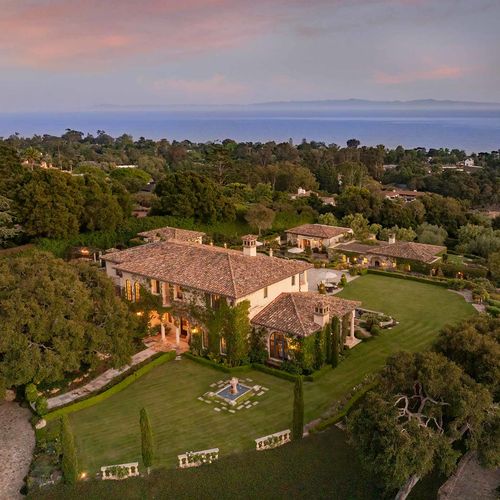
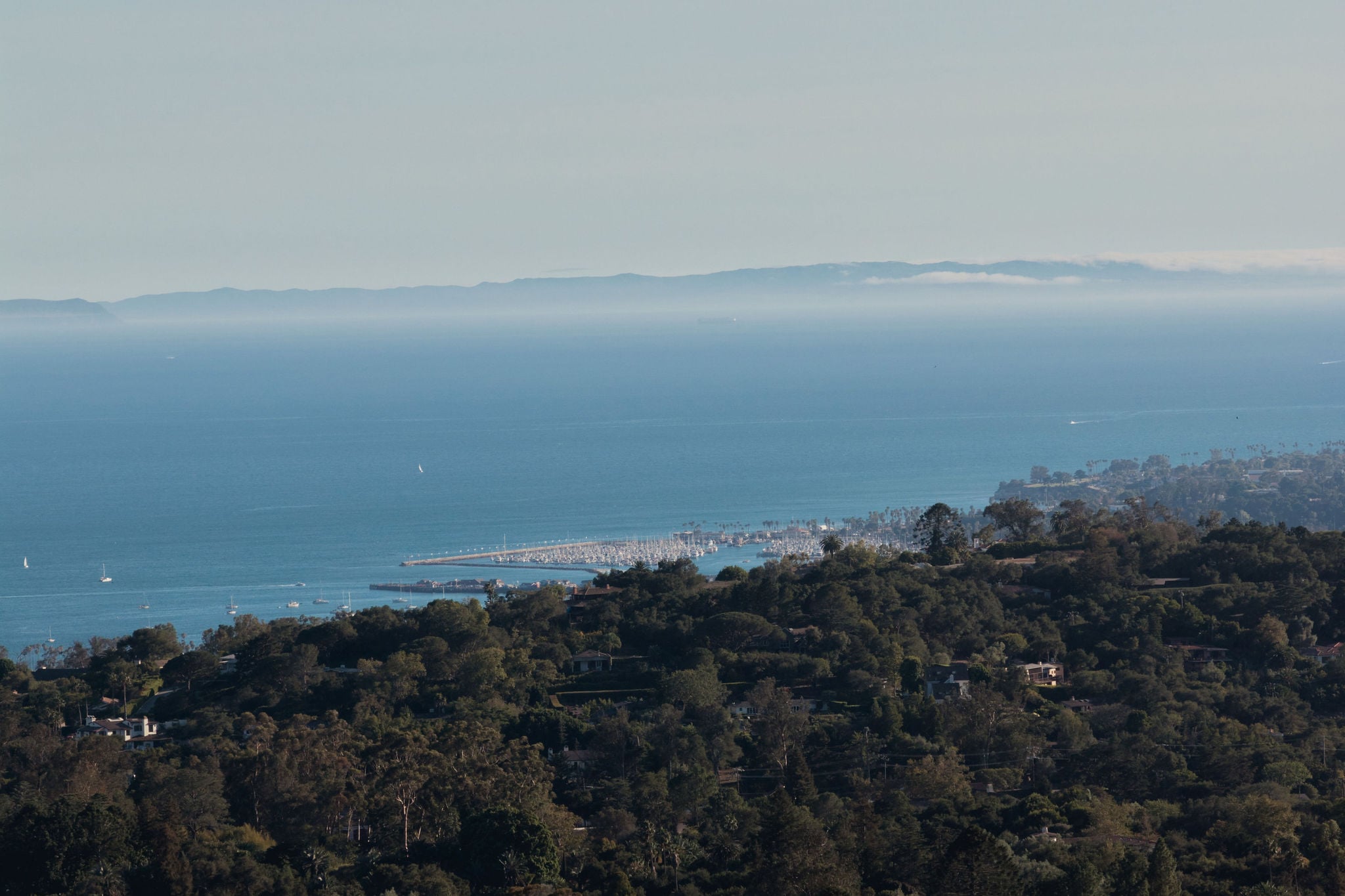
Santa Barbara County gives buyers two genuinely different luxury markets, and the choice between them hinges on how you want to live day to day. Living in Montecito puts you between the Pacific Ocean and the Santa Ynez Mountains. The Santa Ynez Valley puts you on the other side of those same mountains, where the land opens up and the pace slows down considerably.
Montecito is a narrow coastal strip. The Santa Ynez Valley is rolling inland acreage, agricultural land, and a climate that runs hotter in summer and colder on winter nights. Both command premium values. What you're really deciding is how much land you want to manage and how close you need to be to the water.
Geography and Climate Differences
The Santa Ynez Mountains are the literal dividing line here - not a metaphor, an actual mountain range that separates these two markets and gives each its own microclimate. Montecito sits between the range and the Pacific, which keeps temperatures mild and consistent year-round.
Cross over the pass and you're in a different world. The valley is wider, warmer in summer, cooler at night in winter, and it feels nothing like the coast even on a clear day. That's not a complaint - for a lot of buyers, that's exactly the point.
Real Estate Markets and Property Values
Montecito is one of the most expensive real estate markets in California, full stop. For 2026, the median sale price for homes there is around $5,700,000, with roughly 61 active listings at any given time and homes averaging 89 days on the market before selling. Sellers are receiving about 96% of their list price on average, which tells you demand for well-priced coastal properties stays real even at these levels.
The Santa Ynez Valley works differently. Luxury estates are common throughout the valley, but you're generally getting more acreage per dollar than anything you'd find on the immediate coast - that's the fundamental trade-off buyers are weighing.
Architectural character reflects those different land realities. Montecito leans toward Mediterranean and Spanish Colonial designs scaled for ocean views and tighter coastal lots. The valley takes those same styles and stretches them into ranch layouts and modern farmhouse designs built for flat, open acreage.
Zoning and Land Use Considerations
Zoning is where the differences between these two markets get genuinely consequential. Montecito properties frequently fall under coastal commission guidelines, which place strict limits on new construction and modifications. If you're planning major renovations, you need to understand those rules before you're under contract - not after.
The Santa Ynez Valley operates under agricultural land use policies. Many parcels are zoned for farming, vineyards, or equestrian facilities, which gives you more flexibility to build barns or work the land. That flexibility comes with its own restrictions, though, and the specific agricultural zoning tied to any parcel you're considering deserves a close read.
Commutes and Regional Access
Highway 101 is the main artery for Montecito residents heading into downtown Santa Barbara or south. The coastal commute is generally straightforward, with seasonal traffic being the main variable during peak hours.
Getting in and out of the Santa Ynez Valley means Highway 154 over the mountain pass - scenic, sometimes slower, and entirely dependent on weather and time of day. I always tell buyers to drive that pass at rush hour before they commit to anything. It's a different experience than a Sunday afternoon test drive.
Where you need to be on a daily basis will probably settle this question for you. Professionals who need regular access to downtown Santa Barbara tend to land in Montecito to avoid the mountain crossing. Buyers with remote schedules or businesses in the valley find the drive completely manageable.
Daily Amenities and Local Economy
Montecito is defined by its proximity to the water and the Santa Ynez Mountains' front country. Upscale dining and shopping are a short drive from most residential streets, and coastal recreation is essentially out your door.
The Santa Ynez Valley's local economy runs on vineyards, equestrian centers, and agriculture - farm-to-table dining here isn't a marketing phrase, it's just what's around. The trade-off is that everyday conveniences are spread across the valley floor. Residents drive further for groceries and basic services than they would on the coast. That's not a dealbreaker for most valley buyers, but it's worth being honest about before you move in.
Frequently Asked Questions
How much further does a luxury real estate budget go in the Santa Ynez Valley compared to Montecito, CA?
Considerably further in terms of raw land and square footage. Montecito's median sale price is around $5,700,000 for homes on smaller coastal lots. The Santa Ynez Valley offers large equestrian and agricultural parcels at comparable or lower price points - you're trading ocean proximity for acreage, essentially.
How drastically does the year-round climate differ between coastal Montecito and the inland Santa Ynez Valley?
The Santa Ynez Mountains create two distinct climate zones, and the difference is noticeable. Montecito gets a mild, marine-influenced climate year-round. The valley runs hotter on summer afternoons and colder on winter nights - a true inland climate, not a coastal one.
If I want a large equestrian property or private vineyard, should I focus my search on Montecito or Santa Ynez?
Focus on the Santa Ynez Valley. The flat topography and agricultural land use zoning there support vineyards and large horse facilities in a way Montecito's coastal terrain and zoning regulations simply don't. Large-scale agricultural properties in Montecito are rare for a reason.
What is the typical commute time from a home in the Santa Ynez Valley down to Montecito or downtown Santa Barbara?
It depends on traffic along Highway 154 and Highway 101, and it can vary meaningfully based on weather and time of day. Drive the route yourself - at the time of day you'd actually be commuting - before you decide. There's no substitute for experiencing it firsthand.
Which area faces stricter wildfire insurance challenges and costs: Montecito or the Santa Ynez Valley?
Both. Each sits within or adjacent to the Santa Ynez Mountains, and both markets carry property insurance challenges as a result. Get insurance quotes during your contingency period in either location - you need real numbers for your specific property, not general estimates.
Are short-term vacation rentals easier to permit in Montecito, CA, or the Santa Ynez Valley?
Short-term rental regulations are tightly controlled across Santa Barbara County, and both areas have specific zoning rules around rental permits. Before you buy anything as an investment property, verify the exact rules for that specific address with the county planning department. Don't rely on assumptions.
Check out this article next