Montecito, CA carries one of the highest median sale prices in the country - around $5.7 million as of mid-2026. If you're seriously considering living in Montecito, you'll want to understand what shaped this place before you start touring properties. The community has operated as a luxury resort destination since the 1880s, and that history is written directly into the lot sizes, the architecture, and the way the market behaves.
The story runs through several distinct eras - Chumash settlement, Spanish and Mexican land grants, Italian and American farming, and eventually the arrival of Eastern millionaires who never really left. Each phase left something behind. Understanding that progression helps you see why the estates are the size they are, why the streets feel the way they do, and why this particular stretch of the California coast developed so differently from everything around it.
A Quick Look at Montecito's Background
There's no single founding year for Montecito. The area's earliest inhabitants were the Chumash Indians, long before any European presence. By the 1780s, the name "El Montecito" was already being used to describe the eastern portion of the Pueblo Lands of Santa Barbara.
Spanish and Mexican-era settlers came later. Land parcels were granted to retiring Presidio soldiers in place of pay, which is how some of Santa Barbara's first families - the Juarez, Romero, Olivas, Robles, Dominguez, Lopez, and Lorenzana families - came to put down roots here. Italian settlers followed in the 1860s.
Is Montecito a City or a Town?
Montecito is not an incorporated city. It's an unincorporated town in Santa Barbara County, sitting just east of the City of Santa Barbara and within the broader Santa Barbara metropolitan area.
That distinction matters practically. Local civic services and governance fall under Santa Barbara County, not a city hall. For public transportation, residents use the Santa Barbara Metropolitan Transit District.
The Meaning and Origin of the Name Montecito
The name is Spanish, and buyers almost always assume they already know what it means. The reasoning makes sense on the surface - "monte" plus the diminutive suffix "-cito" points toward "little mountain," and a lot of people stop there.
That translation is wrong. Local historical sources are clear on this: the community does not take its name from a small mountain.
The True Spanish Meaning
The word "monte" has an older, less familiar meaning in Spanish - one that translates closer to "woodland" or "countryside." That's the usage at work here, and it actually fits. The eastern part of the Pueblo Lands of Santa Barbara carried a woodland character well before anyone began developing it, and the name carried forward as agricultural parcels eventually gave way to residential estates.
Growth and Development Over the Decades
After Italian settlers arrived in the 1860s, the demographic shifted again. American and Yankee farmers moved in to work the land, and that agricultural phase is what set the table for everything that followed.
By the 1880s, Montecito had caught the attention of Eastern millionaires drawn by the temperate climate. They started buying property, and that influx of wealth reshaped both the housing market and the physical landscape of the community in ways that are still visible today.
The Shift to Luxury Real Estate
Those late 19th and early 20th-century buyers weren't purchasing modest parcels. They acquired large tracts of land for winter homes and expansive gardens, and that pattern established the lot sizes that still define the market. You're not going to find quarter-acre lots here - that's not an accident.
The current market reflects how much that foundation still holds. As of mid-2026, homes are spending roughly 89 days on the market, inventory sits at about 61 available homes, supply runs around 4.7 months, and buyers should expect to pay roughly 96 percent of list price. It moves deliberately, and it doesn't discount much.
Local Landmarks and History Museums
If you want to get a feel for the area's architectural lineage before you start making offers, there are a few places worth your time. The Montecito Museum is the primary local history resource - it covers the early residents and how real estate development unfolded across different eras. The community also has specific historic homes that survived the early 20th-century building boom, and they give you a direct look at what those Eastern millionaires were actually building.
Casa del Herrero
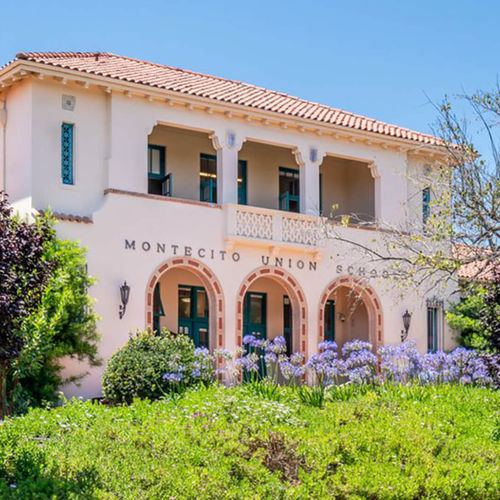
Casa del Herrero is the landmark. Designed by architect George Washington Smith, this 1925 Spanish Colonial Revival estate operates today as a historic house museum and is the only National Historic Landmark in the community. It gives you a clear picture of what life looked like here in the 1920s - and a clear example of the Spanish Colonial Revival style that still shapes what buyers respond to in this market.
What the Area is Known For Today
Montecito's reputation as a luxury celebrity enclave isn't new - it's just the current expression of a trend that started in the 1880s. The median home price sat at $7.5 million in 2024; mid-2026 data puts the median sale price closer to $5.7 million. The market fluctuates, but the fundamental character of the place doesn't.
Privacy matters here. Large, secluded lots are the norm, not the exception, and that's part of what buyers are paying for.
Notable Residents
The town's current roster of prominent residents includes Oprah Winfrey, Julia Louis-Dreyfus, Prince Harry, and Meghan Markle. Their presence is part of why Montecito carries the international name recognition it does - and part of why the demand for privacy runs so deep in this particular market.
Frequently Asked Questions
Which Montecito neighborhoods have the highest concentration of historic 1920s estates?
It depends on the specific street. The broader community is known for 1920s estates - Casa del Herrero being the most prominent example - and because Montecito has served as a luxury resort destination since the 1880s, historic builds are scattered throughout town rather than concentrated in one pocket. Your best move is to work with a local agent who can point you to specific 1920s properties.
What are the restrictions for renovating a historically designated home in Montecito, CA?
It depends on the property and on Santa Barbara County regulations. Because Montecito is an unincorporated community, renovations fall under county planning offices rather than a city. Before you go far down the road on any renovation plan, talk directly to the county about any specific historic designations on the property.
What happens if a Montecito property I want to buy is listed on the county's historic resources inventory?
It depends on the county's specific preservation guidelines. Montecito is an unincorporated town in Santa Barbara County, which means you're following county rules - not city ones. Verify any restrictions with the county before you close.
How does a historic landmark designation affect property taxes and resale value in Montecito?
It depends on the specific designation and the property. What's consistent is that Montecito's luxury market commands high prices regardless - median sale price around $5.7 million as of mid-2026. For the tax side of the equation, you need a tax professional who can look at the actual designation and your specific situation.
When were the original Montecito 'Golden Age' mansions built, and do they still come on the market?
Some do. The significant development of luxury estates happened in the 1920s - Casa del Herrero, designed by George Washington Smith, was completed in 1925 and is the best-documented example. Today the local market maintains around 61 available homes at any given time, so inventory is limited, but historic estates do surface.
Is it harder to get building permits for a historic home in Montecito compared to the rest of Santa Barbara County?
No - the permitting jurisdiction is exactly the same. Montecito is an unincorporated part of Santa Barbara County, so you're working with the same county permitting offices as any other unincorporated area. Whether your project is straightforward or complicated comes down entirely to the county's evaluation of what you're proposing.
Check out this article next