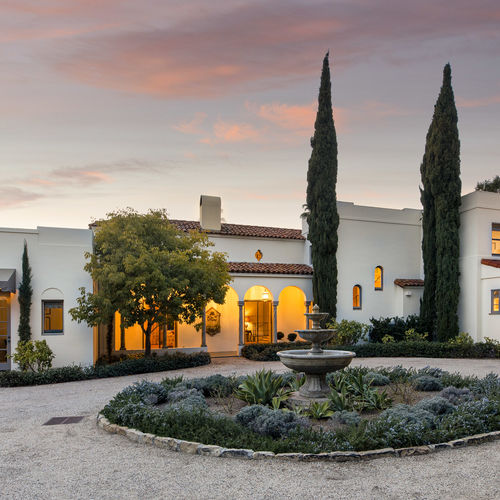
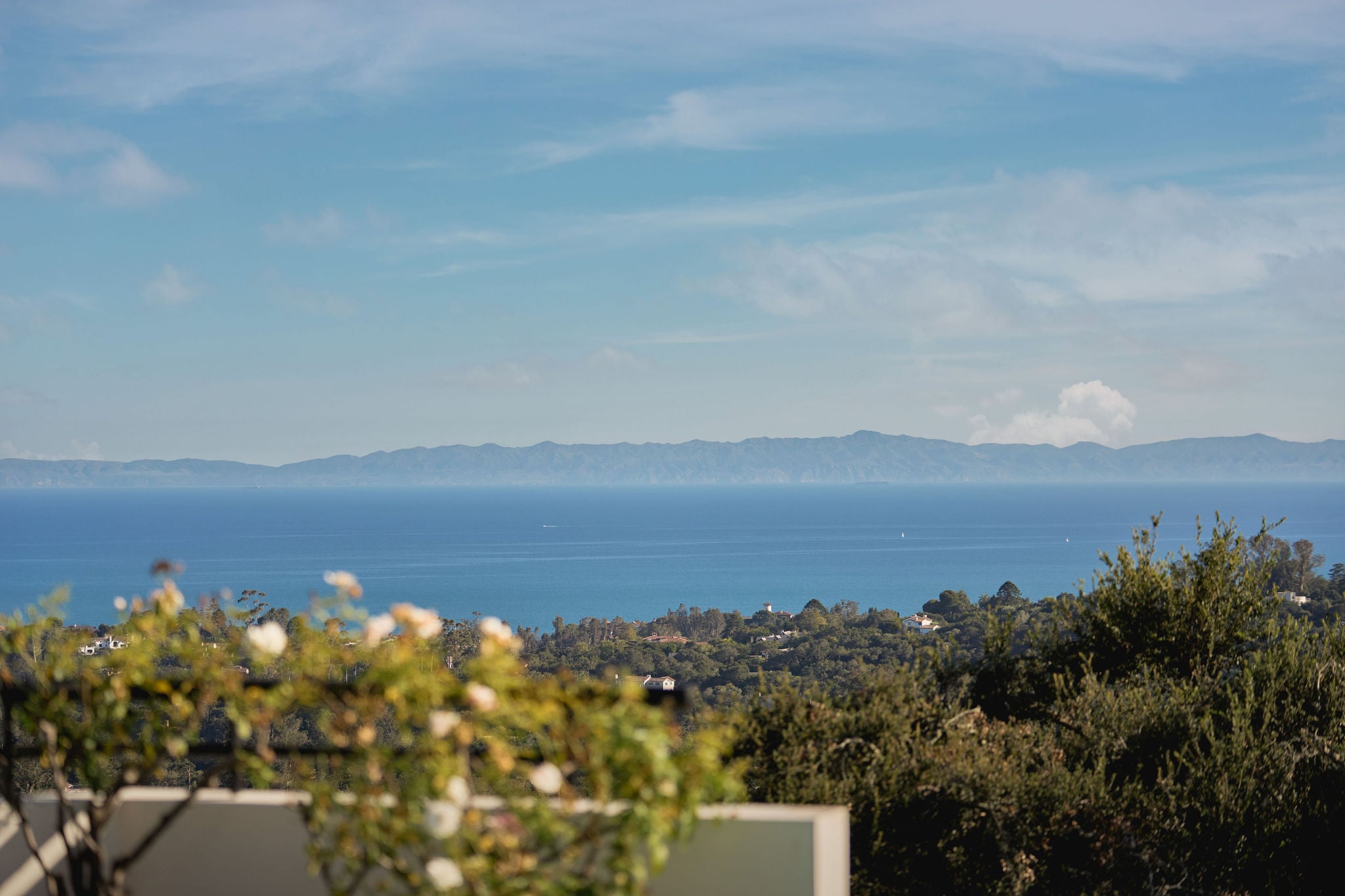
Montecito, CA has about 9,031 residents and some of the most expensive real estate in the country. The median sale price sits around $5.7 million as of mid-2026. Living in Montecito, CA means you're looking at large estates, private roads, and a market where sellers take privacy seriously.
The ocean views are real, and so are the constraints - inventory runs tight at roughly 61 homes available, and properties spend a median of 89 days on the market. This guide covers the local boundaries, housing expenses, and day-to-day amenities you'll encounter if you buy here.
Location and Geography of Montecito, CA
Montecito is an unincorporated community in Santa Barbara County, sitting on California's central coast about 4.7 miles from the city of Santa Barbara. Santa Barbara is your nearest major commercial hub. The broader region falls within the Santa Maria-Santa Barbara, CA metro area.
Unincorporated means no city government - the county handles most municipal services. For getting around, Highway 101 cuts through the lower section of the community and connects you south toward Los Angeles or north along the rest of the central coast.
Local ZIP Codes and School Districts
The primary ZIP codes are 93108 and 93150, with a portion of the area overlapping into 93103. Verify the exact ZIP code on any property you're considering - boundaries blur near the edges of Santa Barbara and Summerland.
Two elementary school districts serve the community: the Montecito Union Elementary School District and the Cold Spring Elementary School District. For middle and high school, students typically move into the neighboring public district and attend Santa Barbara Junior and Senior High Schools.
What to Expect When Living in Montecito, CA
This is not a dense urban grid. Winding roads, mature trees, and large property setbacks mean most homes aren't visible from the street at all. If you want a quiet coastal retreat rather than a walkable urban scene, that's exactly what this layout delivers.
There's no centralized city structure, so you'll drive to distinct commercial pockets for everyday needs. Local ordinances keep commercial expansion limited, and that's deliberate - the whole point is low-density residential, and the rules protect it.
Pros and Cons of Relocating Here
The proximity to both the Santa Ynez Mountains and the Pacific Ocean is the obvious draw - beaches and hiking trails are genuinely close, and the weather stays temperate year-round. Outdoor living isn't a weekend activity here; it's the default.
The barrier to entry is high. With only around 61 homes on the market at any given time, you don't have a lot of options, and waiting for the right property takes patience. The area's geography also makes it susceptible to natural events, so you'll want to look hard at property insurance and emergency access routes before you close.
Housing Costs and Living Expenses in Montecito, CA
Mid-2026 data puts the median sale price at $5.7 million. Homes sell for an average of 96.2% of list price, and about 7.6% sell above asking. Supply sits at roughly 4.7 months, which is relatively balanced for a luxury market - homes take an average of 89 days to sell, so you're not watching listings disappear overnight.
Renting here isn't a budget move either. Zillow rental data suggests average rents can reach $25,000 per month for large estates, while property managers note median single-family home rents sit closer to $6,000 per month.
Property Taxes and Assessments
California's Proposition 13 sets the base property tax rate at roughly 1% of the assessed value at the time of purchase. If you're buying at today's market prices, that's a substantial annual bill compared to what long-time owners are paying.
2024 data shows median real estate property taxes paid for housing units with mortgages were about $10,426, or roughly 0.4% of home value. That lower effective rate reflects long-term owners whose assessed values are still anchored well below the current $5.7 million market median - not what a new buyer at today's prices should expect.
Local Neighborhoods and Crime Statistics
CrimeGrade.org reports that a crime occurs on average every 1 day and 2 hours in Montecito. The risk isn't uniform across the community - in the southwest neighborhoods, the chance of being a victim is about 1 in 17, while it drops to 1 in 46 in the northeast sections.
CrimeGrade rates Montecito as less safe than both the California and national averages overall. Private security is common among estates in this market, and it's worth reviewing the specific location of any property you're seriously considering.
Exploring Montecito Neighborhoods
There's no traditional downtown here. Instead, the community organizes itself around two distinct areas: the Upper Village along San Ysidro Road, with its boutique shops and gourmet markets, and the Lower Village along Coast Village Road, which functions as the closest thing to a downtown district.
North of East Valley Road, you'll find the Golden Quadrangle - the area recognized for its multi-million dollar estates and expansive ocean views. If you're trying to understand where the prestige addresses cluster, that's your starting point.
Dining, Shopping, and Local Amenities
The Upper and Lower Villages handle most of what residents need day-to-day - upscale dining, boutique retail, and enough variety that a drive into Santa Barbara isn't required for every errand. The retail environment runs toward independent boutiques. You'll find stores like Jenni Kayne and Maison K rather than the usual chain lineup.
Restaurants and Cafes
Jeannine's handles breakfast, and Pierre Lafond Market & Deli covers casual options up in the Upper Village. For dinner, Tre Lune Ristorante-Bar in the Lower Village is a regular stop for residents, alongside Honor Bar, Oliver's, Coast & Olive, and Lucky's Steakhouse. If you want something more formal, Bella Vista at the Four Seasons Biltmore offers ocean views and full-service dining.
Where to Stay When Scouting Montecito, CA
If you're flying in to look at properties, staying locally is worth it. You'll get a feel for the commute to Santa Barbara and experience the difference between the Upper and Lower Villages in real time rather than reading about it. The area's resorts include their own dining and private amenities, which gives you a reasonable sense of the lifestyle before you commit.
With a median of 89 days on market, you also don't need to panic about missing a listing while you're booking travel. You have time to plan a proper scouting trip.
Hotels and Lodging Options
The two most prominent options are the Four Seasons Resort The Biltmore Santa Barbara and the Rosewood Miramar Beach. Both are near the coastline, close to the Lower Village commercial district, and offer on-site dining and beach club amenities. Either one works as a base for exploring the Golden Quadrangle and the broader residential areas.
Frequently Asked Questions About Montecito, CA Real Estate
How difficult is it to secure wildfire and mudslide insurance when buying a house in Montecito, CA?
It's genuinely challenging. The area's proximity to the Santa Ynez Mountains and its history of natural events means standard policies often don't cover the local risks. Get a specialized insurance broker involved early in the escrow process - some properties require supplemental policies to adequately cover wildfire and mudslide threats, and finding that out after you're already in contract is not where you want to be.
What are the main differences in lifestyle and real estate between Montecito and Hope Ranch?
Montecito is an unincorporated community in Santa Barbara County built around the Upper and Lower Villages - you can walk to restaurants and boutiques like Tre Lune and Lucky's. Hope Ranch is a separate residential enclave focused on equestrian amenities and private beach access. Both feature multi-million dollar luxury estates, but Montecito gives you more integrated commercial dining and retail day-to-day.
How strict are the zoning laws and architectural guidelines for renovating a property in Montecito?
Rigorous. Because Montecito is unincorporated, renovations fall under Santa Barbara County oversight, and projects often require approval from local architectural review boards. If you're buying a property with plans to significantly alter the exterior, talk to local land-use planners before you're in contract - not after.
How common are off-market pocket listings in Montecito, and how can buyers access them?
Very common. Sellers here tend to prioritize privacy over open-market exposure. With only about 61 homes actively listed publicly, a meaningful portion of available inventory moves through private brokerage networks rather than public listing services. A well-connected local agent isn't optional in this market - it's how you find out what's actually available.
Are there any special property assessments, private water meters, or local taxes unique to Montecito residents?
Residents pay standard California property taxes at roughly a 1% base rate under Proposition 13, plus local bonds and assessments. Water meters and usage rates are managed by local water districts serving the unincorporated county area, and private road maintenance agreements can add obligations depending on the property. Review the preliminary title report carefully - that's where the specific assessments attached to any given parcel will show up.
Which Montecito neighborhood offers better walkability: the Upper Village or the Lower Village?
The Lower Village, without much debate. Its concentration of restaurants, shops, and proximity to the coastline along Coast Village Road makes it the more functional walkable area. The Upper Village along San Ysidro Road has walkable boutiques and cafes including Pierre Lafond, but it's smaller and more isolated. If a traditional downtown feel matters to you, focus your search near the Lower Village.
Check out this article next