
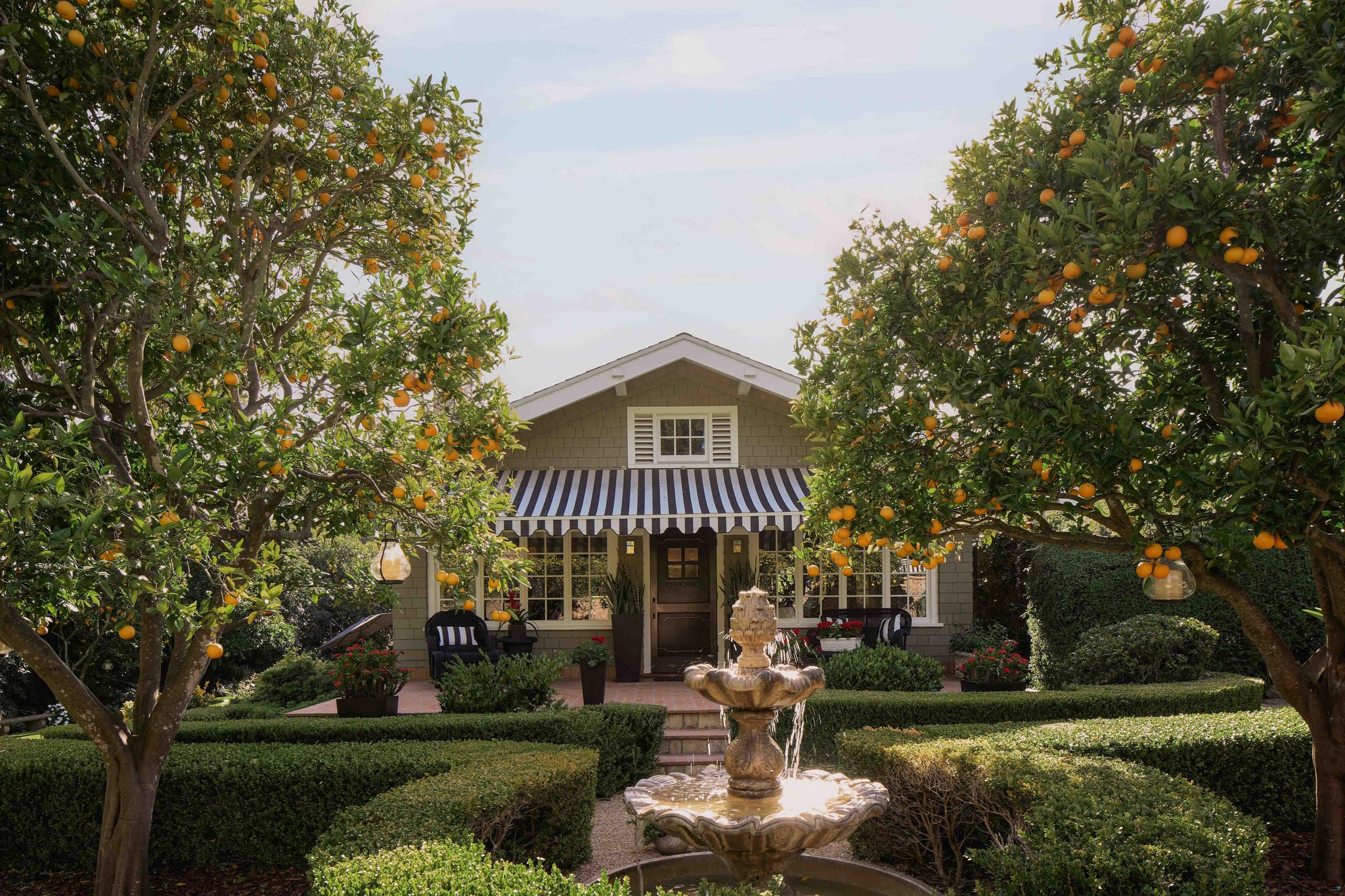
Montecito, CA sees roughly 3,100 hours of sunshine each year. If you're considering living in Montecito and looking at the area's current median home price of around $5,700,000, you're probably already factoring the climate into your decision just as much as the architecture - and honestly, you should be.
The local environment shapes daily routines, property maintenance, and home insurance requirements in ways that catch some buyers off guard. These year-round weather patterns dictate your property search, landscaping budget, and expectations for what coastal California living actually looks like on a Tuesday in January.
Montecito, CA Climate and Weather Averages
Montecito falls under a warm-summer Mediterranean climate - classified as Csb in the Köppen system - and you can thank the Pacific Ocean and the Santa Ynez Mountains for keeping local conditions as stable as they are. Those two geographic forces work in opposite directions on temperature and moisture, and the result is about as moderate a climate as you'll find on the California coast.
That Csb classification means warm, dry summers and mild, wet winters. Town center elevations run roughly 200 to 370 feet, which keeps the core residential areas well above sea level but well below nearby Montecito Peak at 3,200 feet. Year-round temperatures typically sit between 42°F and 78°F, and the thermometer rarely drops below 34°F in winter or pushes past 84°F on the hottest summer afternoons.
Seasonal Weather Conditions in Montecito
The hottest stretch of the year runs through August and September, with late August into early September typically bringing peak daytime highs. If you're touring homes in summer versus winter, you're essentially visiting two different versions of the same neighborhood - the light, the air, even the smell of the gardens shifts considerably.
Each season carries its own maintenance implications and outdoor living realities, and the local climate zone dictates how residents actually use their yards and terraces throughout the year. Knowing what to expect in February matters just as much as knowing what July looks like.
Summer and Fall Temperatures
Summer average highs from June through August run between 66°F and 84°F, with nighttime lows settling comfortably between 51°F and 65°F. July is the sunniest month of the year - full stop.
Fall is genuinely pleasant. Autumn highs generally land between 68°F and 78°F, making it a mild transition before the winter rains show up.
Winter and Spring Conditions
December and January are the coldest months. Average highs from December through February range from 54°F to 66°F, with overnight lows occasionally dropping into the 40s - not severe by any measure, but worth knowing if you're coming from somewhere warmer and assume "California" means perpetually warm.
Spring brings the classic coastal marine layer: cloudy mornings that burn off by afternoon. That pattern keeps spring temperatures moderate and is worth keeping in mind when you're scheduling tours among the roughly 61 homes currently sitting in local inventory - a midday showing tells a different story than an 8 a.m. walk-through.
Rain, Snow, and Humidity Expectations
Montecito averages about 17 to 18.5 inches of rain annually, which is well below the national average of 38 inches. January is typically the wettest month at around 3.7 inches of precipitation, and August is the driest - often recording less than 1 millimeter. That prolonged dry season is why you'll see drought-tolerant landscaping everywhere; it's not an aesthetic choice so much as a practical one.
Humidity fluctuates with the season and the daily marine layer. Relative humidity stays below 60% for just over half the year.
Snowfall and Coastal Humidity
Snow in Montecito's residential neighborhoods? Zero inches per year, on average. Whatever snow falls in this part of the world stays up in the Santa Ynez Mountains where it belongs.
Humidity peaks in August at roughly 71.8%, driven by morning coastal fog. January actually sees the lowest average relative humidity, at around 56.7% - which surprises most buyers who assume winter would be the damp season.
Environmental Hazards and Severe Weather
This is the section where I'd ask you to slow down and read carefully. Between December 2017 and March 2018, Montecito faced five evacuations due to weather-related disasters. The Thomas Fire, the subsequent mudflows, and Pineapple Express flooding resulted in 20 reported deaths and 28 injuries. FEMA responded by granting $13.5 million to the area for debris-flow control infrastructure.
Properties near the Santa Ynez mountain foothills carry elevated wildfire exposure, and insurers pay close attention to a property's exact location relative to historical debris-flow paths. Checking fire hazard severity zone status isn't optional in a local transaction - it's a standard step, and for good reason.
Real Estate and Insurance Impacts
Insurers are cautious about writing new policies in areas with compound disaster histories, and Montecito qualifies. Get your insurance quotes early in your shopping window - not at the end - or you risk closing delays that could have been avoided.
Properties in high-risk zones often carry higher premiums, and many homeowners have responded by investing in fire-hardening upgrades. That's not just a safety decision; it's a carrying-cost decision.
Timing a Move or Visit to Montecito
The middle-year months give you comfortably cool weather and minimal precipitation. January through November generally delivers reliable, sunny conditions for property tours, though June through August brings more tourist traffic to the area. If you want quieter streets when you're walking a property, fall tends to be your best window.
With homes spending a median of 89 days on the market, you actually have room to see a property in more than one season or weather condition. A house that looks perfect on a clear autumn afternoon can feel very different during a rainy January morning, and that's useful information.
Market Activity and Weather Overlap
Current market data shows 13 homes sold recently, with an average sale-to-list ratio of 96.3%. There's no real off-season here - the consistent year-round climate means well-priced properties move regardless of what month it is.
Sellers often time listings to avoid the heaviest winter rains, so you'll see inventory patterns shift slightly around January and February. Keep watching throughout the year. The right property doesn't always come up when the weather is convenient.
Frequently Asked Questions (FAQ)
How do Montecito's seasonal wildfire and mudslide risks impact home insurance costs and eligibility for new buyers?
Yes, these risks directly impact insurance costs and eligibility. Homes near the Santa Ynez mountain foothills face elevated wildfire exposure, resulting in higher premiums. Insurers closely scrutinize a property's fire hazard severity zone status and historical debris-flow path designation before issuing coverage.
Are there significant microclimate differences between Montecito's beachfront properties and the upper foothills?
Yes, the elevation changes create distinct microclimates. The town center sits between 200 and 370 feet, while nearby Montecito Peak rises over 3,173 feet, bringing cooler temperatures to the highest elevations. Beachfront properties experience more consistent morning marine layers and higher summer humidity.
How does the spring marine layer, or 'June Gloom,' affect buyer foot traffic and the best time to list a Montecito home?
The marine layer brings cloudy mornings that typically burn off by the afternoon. Sellers often schedule showings and open houses later in the day to present their homes in the best light. July is the sunniest month, making mid-summer a popular time for clear-weather property tours.
What specific weather-related hazard disclosures must sellers provide regarding Montecito's debris flow and high fire zones?
Sellers must disclose if a property is located in a designated fire hazard severity zone or a known debris-flow path. Following the 2018 Southern California mudflows, buyers and their agents routinely review these specific environmental hazard reports during the escrow period.
Which weather-resilient home upgrades, like fire-hardening or coastal moisture control, increase property value in Montecito?
Fire-hardening upgrades hold strong appeal for buyers focused on safety and insurance eligibility. Improvements that mitigate wildfire risks, especially for homes near the foothills, help protect the property and can make a listing more attractive to buyers.
How does the winter weather in Montecito compare to neighboring Santa Barbara for buyers looking for a year-round primary residence?
The winter weather in both areas is quite similar, sharing a warm-summer Mediterranean climate. Montecito sees mild, wet winters with December and January high temperatures ranging from 54°F to 66°F, offering a comfortable year-round environment for primary residents.